

Overcoming Stigma & Fear When Talking About Death
Jump ahead to these answers:
- How Can We Reduce Stigma About Death and Dying?
- How Can We Overcome the Fear of Talking About Death?
- What Is the Death Positive Movement?
- What Is Coimetrophobia? How Can I Cope with It if I Am Invited to a Funeral?
- How Can Discussing Death and Dying Help Us Better Understand and Appreciate the Value of Life?
How Can We Reduce Stigma About Death and Dying?
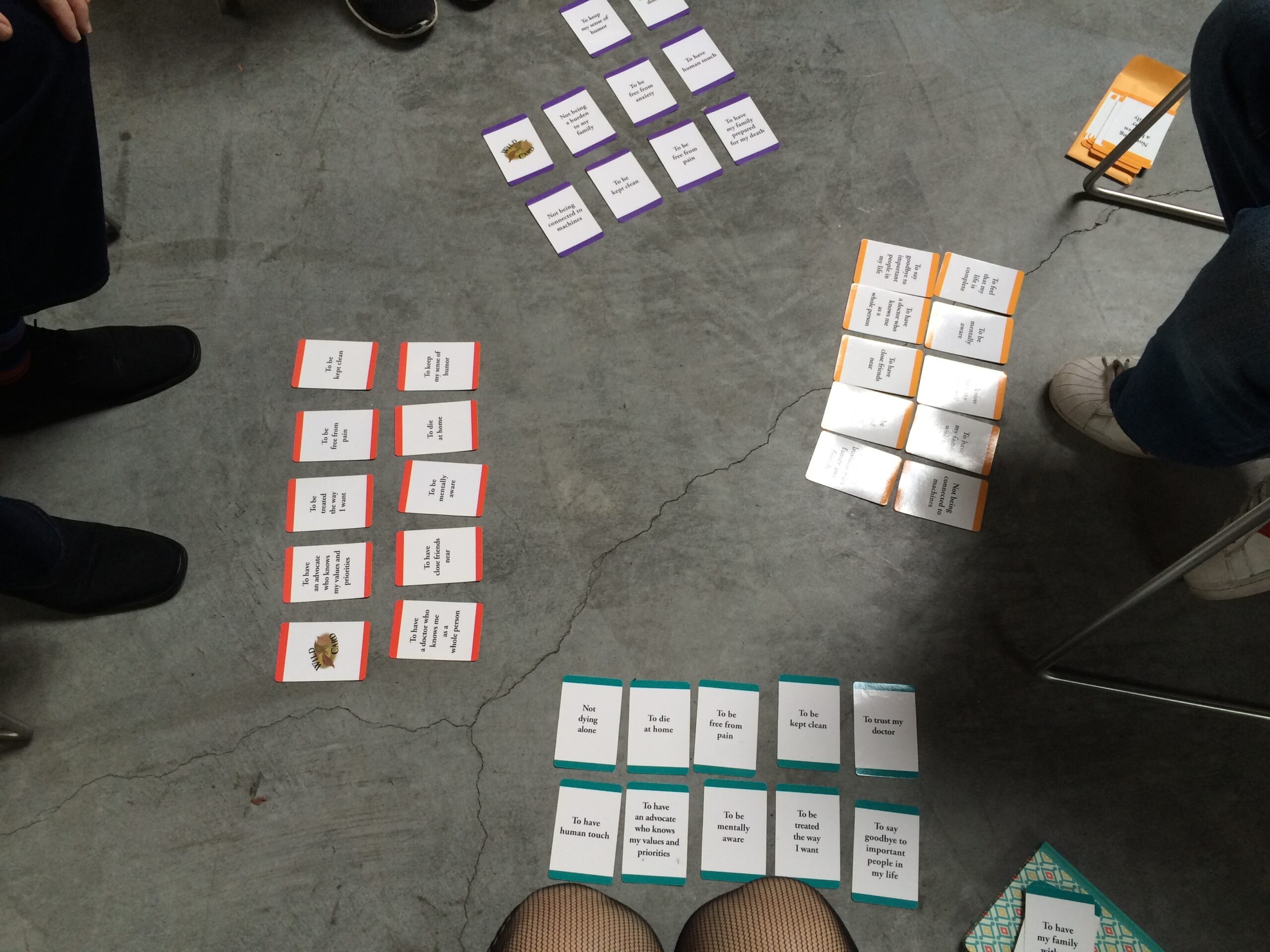
July 24th, 2025Open and honest conversations about death and dying must be facilitated and encouraged among the general public to reduce stigma. This involves acknowledging death as a natural part of life, rather than solely a medical event or something to be conquered. Ways to accomplish this include discussing advance care planning, end-of-life wishes, and the practical and emotional aspects of the end-of-life experience. Allowing people to express their curiosity about death and to ask questions in a non-judgmental space is also helpful. By normalizing these conversations, we can reduce the discomfort and fear associated with death and foster a more compassionate and realistic understanding within our society.
Education and promoting awareness are crucial in reducing stigma regarding death and dying. Some of the stigma is associated with myths and misinformation, while for other communities, it is rooted in legitimate historical trauma and negative experiences surrounding death. Providing accurate, detailed, and culturally competent information about end-of-life care, death, grief, and the concerns that surround these experiences is essential to dispelling misconceptions, acknowledging past harms, and building trust. Introducing more educational programs, death cafes, community workshops, webinars, and other campaigns are some ways to accomplish this. By increasing awareness and understanding, there can be a more significant focus on empathy and compassion towards those who are grieving or navigating their end-of-life journey, while also working to prevent past negative experiences from recurring.
Developing and fostering supportive environments is another crucial aspect of reducing the stigma surrounding death. This centers around our ability to create safe spaces for individuals to express their grief, share their experiences, express their curiosity, or ask questions. It also means ensuring that support networks and resources are more easily accessible. This includes practical support from employers through compassionate bereavement leave policies, legal aid for navigating end-of-life paperwork, pastoral care, and community-based bereavement groups for those caring for a loved one, grieving, or seeking information after a terminal prognosis. Providing this kind of comprehensive, practical, and emotional assistance helps normalize the grieving process and models the compassionate responses necessary within our society.
Ultimately, a collective effort and understanding are necessary to reduce the stigma around death and dying. It involves influencing cultural and societal attitudes towards death to take a noticeable shift, acknowledging the universal and shared experience of grief, and understanding that open and compassionate conversations are crucial for creating a supportive society. By proactively addressing the topic of death with empathy and consideration, we can foster a culture that embraces and supports individuals in their experience of grief and the end of life.
How Can We Overcome the Fear of Talking About Death?
July 24th, 2025We can overcome the fear of talking about death by promoting education and awareness, creating a safe and open environment for conversations about death, and learning to embrace mortality. Overcoming this fear is often a gradual process that occurs over an extended period of time, especially since most people have to learn to look beyond the stigma attributed to the topic of death and dying. Additionally, sometimes people have a fear of talking about death because they have an underlying fear of death itself, also known as thanatophobia. If the fear of talking about death is connected with this deeper fear of death, treatment may be needed to conquer the phobia before addressing the fear surrounding conversations.
In general, death education and promoting awareness surrounding death can be very helpful in reducing fears associated with talking about death. As people gain a better understanding of death and dying, they tend to become more comfortable about facing their own mortality and discussing death-related topics. Death education helps people understand the wide variety of perspectives, attitudes, theories, and components pertaining to death, dying, and bereavement. The provision of death education interventions has also been shown to reduce fear surrounding death while promoting more positive attitudes toward death as a natural transition at the end of life.
Establishing a safe and open environment for conversations about death is another crucial component in overcoming the fear of these discussions. Everyone holds different perspectives and attitudes towards death, which are shaped by their own experiences, culture, societal norms, belief systems, and more. Some individuals are uncomfortable discussing death due to a belief that speaking about it will make it more likely for a loved one to die. Others may be uncomfortable discussing death since it is associated with stigma or taboo within their culture.
Creating an environment that allows open communication without the risk of criticism or judgment can help people feel more comfortable in expressing their thoughts, emotions, and curiosities about death. Attending death cafe events and seminars, visiting support groups, participating in therapy, or even having informal conversations about death and dying with loved ones can help to diminish stigma and promote honest discussions. Hearing about these experiences from public figures like celebrities and online influencers, as well as from close friends and family, can further help normalize these conversations.
Finally, learning to embrace mortality is instrumental in overcoming the fear of talking about death. Death is the natural end to life and is ultimately inevitable. Accepting this inevitability and conceptualizing how we will navigate our own experience of death and dying is a step toward achieving a healthier and more positive relationship with our mortality. Activities that encourage further reflection on facing mortality include journaling, meditation, or even exploring personal preferences regarding final arrangements. By taking proactive steps to accept mortality, individuals can gain a greater sense of peace and understanding that will enable them to engage confidently in meaningful conversations about death and dying.
Sources
“5 Strategies for Accepting Your Mortality”. Psychology Today. https://www.psychologytoday.com/us/blog/mindful-anger/201707/5-strategies-accepting-your-mortality
Death Cafe. https://deathcafe.com/
“Death Education for Palliative Psychology: The Impact of a Death Education Course for Italian University Students”. Behavioral Sciences. https://www.mdpi.com/2076-328X/13/2/182
“Thanatophobia (Fear of Death)”. Cleveland Clinic. https://my.clevelandclinic.org/health/diseases/22830-thanatophobia-fear-of-death
“Videos”. The Conversation Project. https://theconversationproject.org/videos
What Is the Death Positive Movement?
July 24th, 2025The death positive movement, also sometimes known as the death positivity movement, is aimed at dismantling barriers and fostering an ideological shift of beliefs surrounding death. The movement has roots in earlier initiatives like the hospice movement of the 1970s and has been advanced by a wide range of modern projects such as Death Cafés, Death Over Dinner, and The Conversation Project. While often associated with mortician Caitlin Doughty, who helped popularize it through her “Ask a Mortician” series and the founding of The Order of the Good Death in 2011, the movement is a collective effort. It was this broader wave of public engagement that positioned the death positive movement to become more widespread.
At its core, the death positive movement promotes open and honest conversation surrounding death, dying, grief, and loss. It emphasizes the importance of providing support after a death has occurred, and encourages individuals to engage directly in countering the conditions and circumstances that contribute to unacceptable, harmful, or otherwise preventable deaths. It embraces the role of advocacy surrounding death while also upholding the importance and value of death education. Tenets of the death positive movement were also established to ensure clarity regarding the intent, purpose, and beliefs of its supporters.
The death positive movement is often associated with helping individuals to become more conscious of their daily living and the negative impact that traditional funeral and cremation practices can have on the environment. Since the movement emphasizes that dead bodies are not dangerous and typically aren’t a health threat, it also encourages people to reclaim the right to personally care for and handle the bodies of deceased loved ones. Many supporters of the death positive movement participate in eco-friendly death practices such as natural or green burial, human composting, aquamation, and other methods that are less harmful to the environment.
Ultimately, the death positive movement helps to foster death acceptance and empowers advocates to compassionately help other people understand and navigate concerns surrounding their mortality or the loss of a loved one. It highlights that accessible, affordable, and environmentally friendly death practices can be embraced across all cultures and backgrounds within the community. Finally, it continues to be an increasingly popular social phenomenon as many individuals continue seeking answers and an organized effort to make meaning of the ever-evolving landscape surrounding death, dying, and bereavement.
Sources
“History of the Death Positive Movement”. Order of the Good Death. https://www.orderofthegooddeath.com/history-of-death-positive-movement/
“These women are leading Los Angeles in the death positivity movement”. Spectrum News 1. https://spectrumnews1.com/ca/southern-california/business/2023/08/31/the-death-positivity-movement#:~:text=People%20are%20interested%20in%20saying,in%20popularity%20during%20the%20pandemic.
What Is Coimetrophobia? How Can I Cope with It if I Am Invited to a Funeral?
July 24th, 2025Coimetrophobia refers to the fear of cemeteries. It is characterized by intense emotional and physical distress, which may present as the following symptoms when an individual is near or at a cemetery:
- Shaking
- Shortness of breath
- Sweating
- Dizziness
- Nausea
- Anxiety or panic attacks
- Heart palpitations
- Difficulty speaking
- Difficulty thinking or focusing
There are many reasons why individuals with coimetrophobia are afraid of cemeteries. Some individuals may express that they are sensitive to the presence of spirits, and being at a cemetery can be an uncomfortable or overwhelming experience for them. Other individuals may be uncomfortable being present near dead bodies and the volume of deceased individuals at a cemetery can be upsetting. It is not uncommon for individuals with coimetrophobia to also experience thanatophobia. Due to the fear of cemeteries, individuals with coimetrophobia may have difficulty completing certain activities such as:
- Watching films or shows that depict cemeteries
- Driving on a street or crossing a street near a cemetery
- Attending Halloween-themed events, such as haunted houses that depict cemeteries
- Attending funerals
- Making funeral arrangements
Individuals who have coimetrophobia but want to overcome it to attend the funeral of a loved one may pursue a few strategies to help them cope with their fear. In most instances, these individuals will experience the most benefit from working with a mental health professional who can introduce evidence-based interventions into their daily routine, such as cognitive-behavioral therapy or mindfulness. In addition to interventions and receiving treatment, having a close friend or family member attend the funeral can be an excellent source of support for someone with coimetrophobia.
Sources
“Coimetrophobia: The Fear Of Cemeteries”. Everplans. https://www.everplans.com/articles/coimetrophobia-the-fear-of-cemeteries
“Everything You Should Know About Thanatophobia”. Healthline. https://www.healthline.com/health/thanatophobia
How Can Discussing Death and Dying Help Us Better Understand and Appreciate the Value of Life?
July 24th, 2025Discussing death and dying helps us to acknowledge the inevitability of death, which often fosters greater awareness regarding the brevity of life and the importance of making the most of our experiences while we’re alive. Many individuals realize that they want to live more authentically and to the fullest extent possible when they begin to confront their mortality. This awareness further contributes to the notion of living more intentionally and focusing on being fully present in our daily activities.
When we talk about death, we recognize the fragility of life and the ever-present component of uncertainty in the human experience. No one is aware of the exact moment when they will die. Although we know the average life expectancy for men and women, there isn’t a guarantee that everyone will meet the projected average. When we truly begin to understand the limited amount of time that we have, it prompts us to be more mindful of what we prioritize in our lives and what truly matters to us. Instead of becoming distracted or distressed over trivial matters, a new focus emerges in relation to aligning our pursuits and actions with our values and purpose.
In understanding our relationship with our own mortality, the presence of mortality in our relationships with other people also becomes more evident. This can present as a deeper sense of compassion and empathy for people as they face personal challenges, experience loss, or navigate the process of actively dying. Through another lens, we also begin to become more appreciative of the time that other people spend with us, realizing that these moments are not always guaranteed and sometimes we have overlooked the joy and fulfillment that exists in the most simple of moments spent with a loved one. In recognizing the fragility of life, a greater need to treat others with compassion, respect, and dignity begins to emerge.
Although death can be an uncomfortable topic for people to discuss and approach in an exploratory manner, it is a topic that prompts us to know ourselves and other people on a deeper level. There are many valuable insights and lessons that we can learn from discussing death and dying. These conversations illuminate the vast complexities and multifaceted nature of the human experience by reminding us to live with intention, cherish our relationships with others, and pursue the purpose and beauty that life can offer us daily.
Sources
“Talking About Death”. The Art of Dying Well. https://www.artofdyingwell.org/talking-about-death/
“Death literacy: why it’s important to talk about dying”. The Conversation. https://theconversation.com/death-literacy-why-its-important-to-talk-about-dying-184087