Trans Remembrance Project Provides a Community of Grieving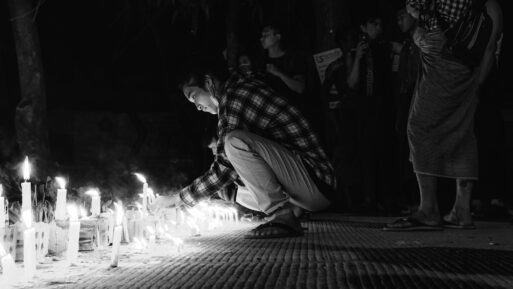
Candle lighting vigil common among Trans Day of Remembrance gatherings
Photo by Zinko Hein on Unsplash
“Celebrating the lives of those who have passed,” reads the simple summary on the homepage of The Trans Remembrance Project. What started as a candlelight vigil 25 years ago has turned into a living online memorial for the trans community. An initiative of Advocates for Transgender Equality, the Project features on its website names, images and short obituaries of transgender people who have died the previous year.
The first Trans Day of Remembrance was held in 1999, dedicated to the ideal “that the lives and deaths of trans people would be honored and recognized with dignity and respect.” https://www.transremembrance.org/2024-remembrance-report
Twenty-five years later, the TDOR is a growing annual tradition held on Nov. 20 that provides space for grief, healing and fully honoring lost loved ones for who they were in life, as well as visibility for those lost to antitrans violence. Gatherings are held around the world to mark the date.
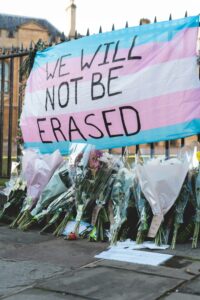
Flowers at a trans remembrance event
Photo by Krzysztof Hepner on Unsplash
Founded in 2022, The Trans Remembrance Project is a year-round representation of this tradition. According to its 2024 report, activists and organizations around the world contribute to honoring and remembering those who have died: “We share names and stories, talk to loved ones, scour news and police reports, and build networks in our communities.” The website invites the public to add the names of those who have died.
Conveying this respect is more important than ever today: Deadnamed (identified by their birthname, a name to which they no longer answer), misgendered, or ignored by traditional media outlets and disapproving family members, trans people who have struggled for recognition in life are frequently misrepresented in death as well. The Human Rights Campaign reports that at least 32 trans and gender-expansive people suffered fatal violence in the U.S. in 2024, and 38% of those were misgendered or deadnamed by authorities or the press. The Trans Remembrance Project also maintains a page dedicated to these and other statistics, including data on deaths by race, age range, region and cause.
Created by a merger of Transgender Legal Defense And Education Fund and National Center for Transgender Equality, Advocates for Transgender Equality runs the Trans Remembrance Project in partnership with a swath of smaller community organizations.

The site offers not only a digital shrine to those who have died, but resources for LGBTQ+ people who are struggling with grief, suicidal ideation and mental health crises. For a population too often dehumanized in public discourse, this is an essential service.
With trans people being at least four times more likely to experience violent victimization than their cisgender counterparts, the Trans Remembrance Project’s advocacy work serves as a powerful testament to the bravery and grace of the trans community, and offers solace, honor, and recognition to a dangerously targeted population.
“Despite our best efforts, the names on our list are only those who had the privilege of recognition, the fortune of discovery, or the extraordinary courage to leave indelible proof of their true selves for us to mourn,” says the project’s website. “So many unknown and uncounted people remain that even years from now we will learn the names of people in our community who died this year without the recognition they deserved.”





 Final Messages of the Dying
 Will I Die in Pain?