
 “Wind Phone” Provides Grievers a Chance To Call Their Loved Ones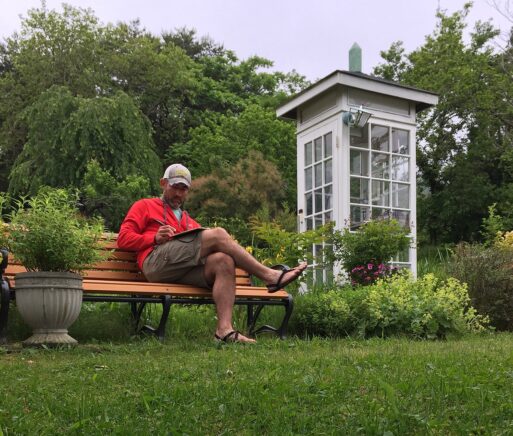
Wind phones are providing an outlet for those seeking to reconnect with their loved ones. Matthew Komatsu /Wikimedia
Little did Itaru Sasaki know that a phone he set up to use to call his deceased cousin would end up resonating with so many people.
Sasaki in 2010 built a phone booth and installed it in his garden, some 300 miles northeast of Tokyo. He used the disconnected phone to talk to his cousin, who had recently died of cancer, as Reuters reported — just months before a massive earthquake and tsunami hit Japan in March 2011, killing 20,000 people.
After the devastation, Sasaki moved his disconnected phone to a hill overlooking the Pacific and invited others to use it.
In the years since, wind phones have sprung up all over.
According to My Wind Phone, a website that provides a map of where these special phones are located worldwide, there are 318 in the United States and 138 throughout the rest of the world.
They seem to be inspired by the concept expressed in a verse a visitor placed in the booth:
‘Who will you call, at the phone of the wind, you will talk to them from your heart, if you hear the wind tell them how you feel, surely your thoughts will reach them.’
In light of that moving premise — that someone can pick up a disconnected phone, dial a number and deliver a message to their loved one that the wind will carry — it’s only apt that word of the wind phone has continued to catch on.
A “real” way to call loved ones
The pandemic in part increased interest and demand: Organizers from the U.K. and Poland approached Sasaki because they wanted to provide this grieving tool to those whose relatives had died.
Indeed, 10 years after Sasaki created his phone, Reuters reported that it “attracts thousands of visitors from all over Japan” searching for a way to connect with their lost loved ones, regardless of how they died.
Most wind phones are old-fashioned rotary phones, though My Wind Phone notes a few exceptions: “Some are nestled in gardens or forests, others sit by the sea, on trails, beside libraries, or in backyards. Most have rotary dials, some are built from tree stumps, and some are simply symbolic.”
The rotary, though, harkens back to the idea of a “real” phone, so there seems to be a therapeutic component to really dialing a number in the age of the internet and iPhones.
One heartbroken man whose dear friends lost a 4-year-old daughter set up a wind phone in a forest outside Olympia in Washington. Quoting families who used it, Reuters in 2023 called it a “literal lifeline.” Community members visit often seeking to talk with someone they lost and speak the words they never got to say to that person.
Podcaster Sasha-Ann Simons in August featured two people in Illinois on her show, “Reset,” who contributed to the installation of wind phones in Arlington and Geneva.

A sign that the conversation about death is changing
One guest, Neal Parker, from the Arlington Memorial Library, spoke of what moved him to put a phone in Arlington: “There are so many conversations I think that we miss when we lose somebody. … it’s just a nice way to provide maybe ritual, or a little calm, in the chaos of grief.”
The library, he explained, already offered programming about the subject of death, so wanted to integrate a wind phone into its community.
The second guest, Elaine Haughan, in Geneva, told Simons she is grieving the sudden death of her 18-year-old son, James Haughan. She said that people walked on “eggshells around me” and made an argument for facing one’s feelings and not being afraid of getting emotional; the phone helps her do that.
The wind phone appears to have fulfilled a real need to keep a real line of communication between life and death. The phone could additionally be called a sign, at least in Arlington, that the narrative around death is changing in a positive direction by including it in the everyday lives of a community.





 Final Messages of the Dying
 Will I Die in Pain?


















_-_5.jpg)