WELCOME TO OUR BLOG
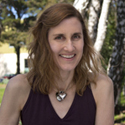

Welcome to the SevenPonds.com blog – a community-driven extension of SevenPonds.com! I hope you find comfort and community in the resources and stories featured here. I’m always happy to hear from readers and can be reached at suzette@sevenponds.com.
FEATURED
-

 Who Cares for the Caregivers?: Millions of family caregivers across the United States feel abandoned and alone
 -

 Final Messages of the Dying: Finding meaning in metaphors and symbolic language
 -
 Will I Die in Pain?: For patients living with a terminal illness, the fear of pain is very real
-
Categories
Tag Archives: End-of-life care
 “The Best Care Possible: A Physician’s Quest to Transform Care Through the End of Life” by Ira Byock, M.D.
The palliative care physician explains what it means to provide the best care possible as a doctor to the dying.
The Best Care Possible: A Physician’s Quest to Transform Care Through the End of Life is author and doctor Ira Byock, M.D.’s latest opus on end-of-life care. The palliative care physician’s reflections on being a “doctor to the dying” are … Continue reading
Posted in Lending Insight
Tagged Byock, Caregiving, Dartmouth, Dartmouth Medical Center, Death, Doctor patient relationship, Dying Compassionately, dying father, End-of-life care, Hospice, Ira Byock, Palliative Care, Regrets of the Dying, Surrogate end of life care, The Best Care Possible: A Physicians Quest to Transform Care Through the End of Life
1 Comment
 New York Times Article Says “Values Conflict at the End of Life”
Paula Span wonders: how do we make decisions for dying relatives who are cognitively impaired?
Family members play a crucial part in making sure that mom, dad, or whoever receiving end-of-life attention is having the most painless experience possible. Perhaps most importantly, we want the experience to be unique to their wishes. But what happens … Continue reading
 What Is The Centre for Living with Dying Program? An Interview with Janet Childs
The Director of Education at the Centre for Living with Dying program on grieving the loss of a loved one
Janet Childs is the Director of Education and Critical Incident Stress Response at the Centre for Living with Dying program. She works specifically within the Bill Wilson Center, a nonprofit located in the San Francisco Bay Area that is dedicated … Continue reading
What is Art Therapy? An Interview with Constance Hunt
The relationship between art therapy and end-of-life care at the AgeSong Institute
Constance Hunt is an art therapist working at the AgeSong Institute, located in San Francisco, CA. AgeSong is an eldercare facility committed to shifting the typical perspective on aging by bringing greater acceptance and respect to end-of-life care. In her … Continue reading
”Facing the Final Mystery: A Guide to Discussing End-of-Life Issues” by Laura Larsen, RN
A guide to talking about death, dying and end-of-life issues
Facing The Final Mystery is by no means a book you read in a few sittings — nor does it simply live on your bookshelf. Larsen’s book is more of a consulting manual, especially regarding problems that are unique to … Continue reading
Posted in Lending Insight
Tagged Books on death and dying, Death and Dying, End-of-life care, End-of-Life Issues, End-of-Life Planning, Facing the Final Mystery: A Guide to Discussing End-of-Life Issues, Grief Loss and Bereavement, Laura Larsen, Literature about Death, Planning for Death, talking about death, terminal illness
Leave a comment
What is Spiritual Care for the Ill, Dying and Bereaved? An Interview with Rabbi Eric Weiss
How spirituality in bereavement couseling can aid those coping with death
Rabbi Eric Weiss is the Executive Director of the Bay Area Jewish Healing Center. Located in San Francisco, California, the healing center serves throughout Sonoma and Mountain View. His experience with death and dying started years back before Rabbinic school. During what is … Continue reading