

African Death Practices
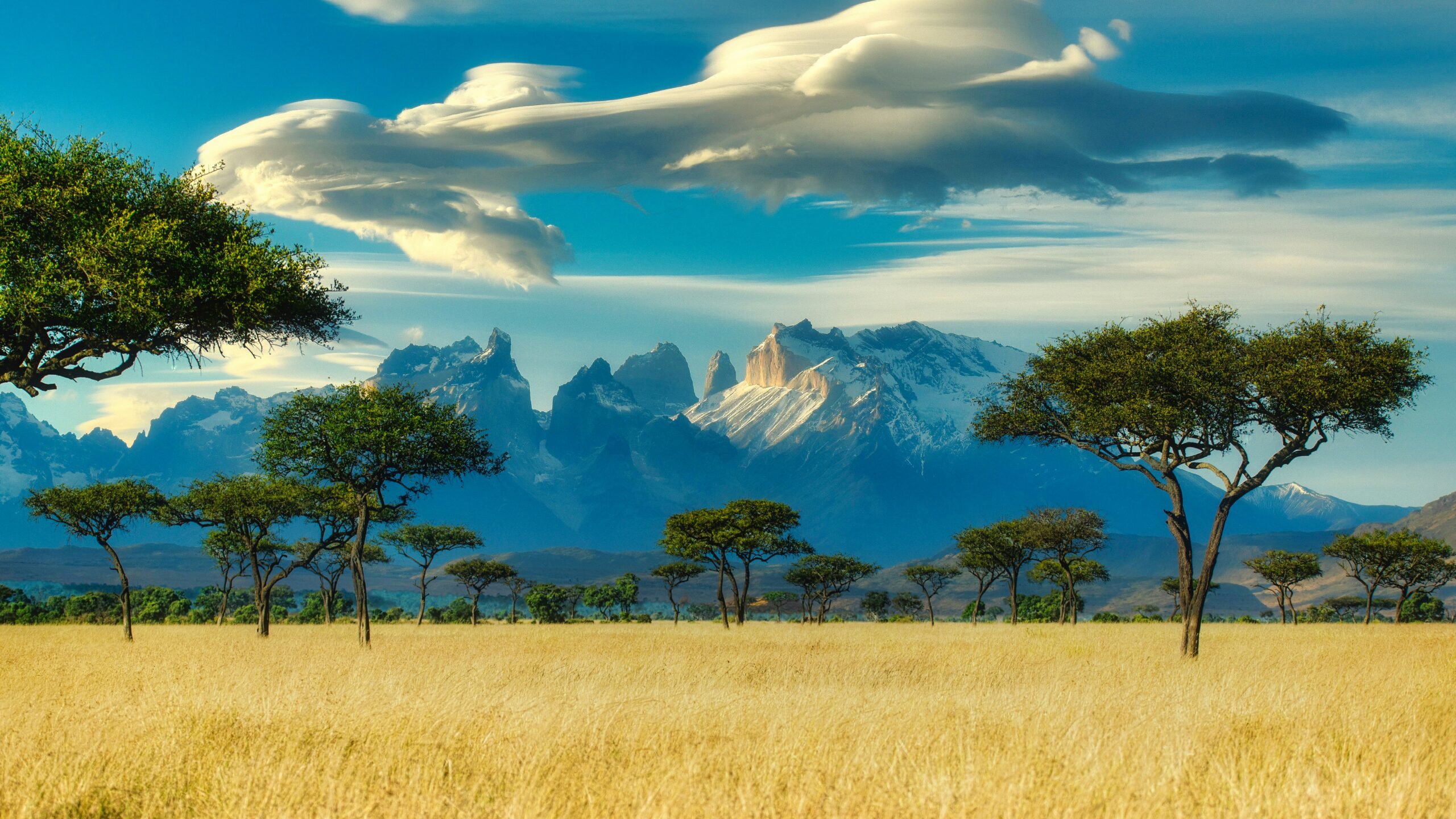
Africa is a massive continent comprising 30.4 million square kilometers or over 11.7 million square miles. (For reference, that’s larger than China, India, the contiguous U.S. and all of Europe combined!) Currently made up of 54 independent nations and four dependencies, it has a population of about 1.3 billion people with an average age of about 20 years. Despite recent economic growth, it remains the world’s least affluent continent, and many of its inhabitants live in desperate poverty. Although African culture is diverse in many respects — for example, each region has its own customs, language,cuisine and style of dress — the overarching belief systems of the region are fairly harmonious, especially when it comes to spirituality, religion and beliefs around life and death. Nominally, most Africans are either Christian or Muslim, but traditional African relgious beliefs are widespread.. This is especially true in the nations of Central Africa and parts of West Africa, which are more rural and less developed than the neighboring countries to the north and south. Many people in these regions still adhere to ancient funeral and burial rituals that were practiced by their ancestors. Read more about African beliefs about death, mourning and remembrance below.
Jump ahead to these answers:
African Death Practices
December 17th, 2025Africa is a massive continent comprising 30.4 million square kilometers or over 11.7 million square miles. (For reference, that’s larger than China, India, the contiguous U.S. and all of Europe combined!) Currently made up of 54 independent nations and four dependencies, it has a population of about 1.3 billion people with an average age of about 20 years. Despite recent economic growth, it remains the world’s least affluent continent, and many of its inhabitants live in desperate poverty.
Although African culture is diverse in many respects — for example, each region has its own customs, language,cuisine and style of dress — the overarching belief systems of the region are fairly harmonious, especially when it comes to spirituality, religion and beliefs around life and death. Nominally, most Africans are either Christian or Muslim, but traditional African religious beliefs are widespread.. This is especially true in the nations of Central Africa and parts of West Africa, which are more rural and less developed than the neighboring countries to the north and south. Many people in these regions still adhere to ancient funeral and burial rituals that were practiced by their ancestors.
Read more about African beliefs about death, mourning and remembrance below.
- In Traditional African Belief Systems, Life And Death Are Inextricably Linked Through The Spirits Of The Dead
- In Some Regions Of Africa, Funerals Are So Lavish and Costly That Families Are Left Destitute
West Africans
- How Science, Medicine and Tradition Clashed During The Ebola Epidemic in Western Africa
- In Parts Of West Africa, Professional Pallbearers Dance Coffins To Their Final Resting Place
Liberians
Burkinabé (citizens of Burkina Faso)
Ghananians
- For The Ga People Of Ghana, Fanciful Coffins Are A Way To Celebrate The Dead
- Ghanian Funeral Goers Celebrate Death With Bold Colors, Elaborate Coffins And Days-Long Parties
- For the Asante People of Ghana, A Folktale About Death Became a Symbol of Resilience in the Face of Oppression
Nigerians
- To The Annang People Of Nigeria, A Proper Funeral Ensures A Peaceful Transition To The Afterlife
- For Some Nigerians, Naming an Infant Is Looked Upon as a Way To Ward Off a Disastrous Fate
- The Igbo People Of Southeastern Nigeria Hold Two Separate Funeral, One to Mourn And One to Celebrate
Kenyans
Ugandans
Somalians
The Massai
South Africans
Malagasy (the people of Madagascar)
Moroccans
Egyptians
- In Ancient Egypt, Death Masks Were A Way To Preserve The Likenesses And Spirits Of The Dead
- In Ancient Egypt, Pets And Livestock Were Mummified And Buried With Their Owners to Keep
- Them Company in the Afterlife
- In Ancient Egypt, Mummification And Entombment Helped To Preserve The Bodies Of Kings And The Elite
- In The Valley of The Kings, Archeologists Still Search For More Ancient Egyptian Tombs
- Ramose’s Tomb In The Ancient Egyptian City Of Thebes Still Provides Clues To Ancient Egyptian Culture