“The Book of Ceremony” by Sandra Ingerman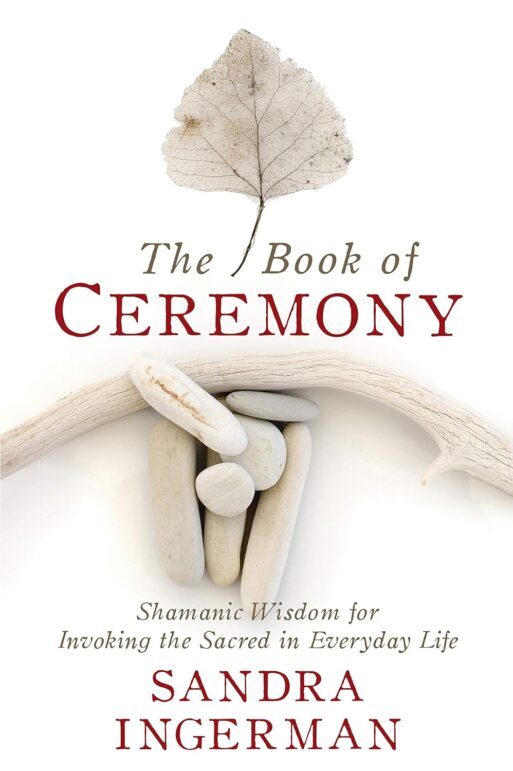
Why create ceremonies? In “The Book of Ceremony,” author Sandra Ingerman clarifies that ceremonies are not just for those moments so often highlighted in our lives – birth, graduation, marriage and death. But perhaps most importantly, they are also required for the unacknowledged, unexplained and yet-to-be discovered aspects of our lives and of ourselves. Particularly, those parts that connect us to the whole.
In Ingerman’s words:
“Performing ceremonies creates a bridge between the material world we live in and the world of the unseen, the divine, the power of the universe.”
“The Book of Ceremony” identifies ceremonies as different from rituals, as they are created at a specific time, with a specific intention, for a specific outcome – while rituals are more repetitive. Some important elements that Ingerman identifies for creating ceremonies include:
● Choosing the appropriate place and time
● Preparing materials, including those gathered from nature
● Setting up altars and bringing in sacred items
● Spiritually evocative music (drumming, chanting, etc.)
● Working with the elements (earth, air, water, fire)
● Including sacred herbs and anointing materials
● Preparing ritually, and welcoming in ancestors & healing spirits
Ingerman recognizes that ceremonial processes can be particularly effective for those grieving loss, whether internal or external. She describes a client who brought a ceremony home to his community, which had been devastated by tornadoes: They decorated the space, wrote wishes for their future as a community, and burned them in a fire, reestablishing a sense of hope. Another client organized a night of music and dancing around a fire to honor a dear friend who’d died.
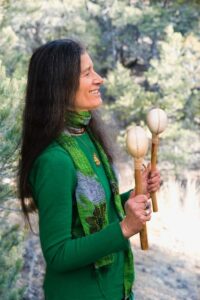
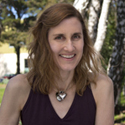
Author Sandra Ingerman
Credit: sandraingerman.com
When designing a ceremony, Ingerman suggests finding ways to “work in the unseen realms” by recognizing, acknowledging and following spiritual impulses and signs from nature or dreams. This could be the appearance of an animal or bird, an intuition or some other form of guidance.
Neverthless, despite the rather mystical nature of this advice, “The Book of Ceremony” takes what might appear to be a complicated and overwhelming process, and breaks it down into small, simple steps that anyone can follow: preparing, setting an intention and creating an altar, among others.
Ingerman encourages those interested to start with what they have, whatever intention they can identify – whether or not it is their soul’s deepest calling. Ceremonies, she reminds us, have power. And one never knows where they might lead.
“Through opening our hearts to all the possibilities that life has to offer and being willing to stretch our imaginations, we find that there are a wealth of ceremonies we can use to unburden ourselves from our past hurts, traumas and self-sabatoging beliefs,” she writes, “moving us into a place where we feel a deeper relationship with life and why we are here.”




 Final Messages of the Dying
 Will I Die in Pain?