Dark Tourism, Necrotourists, and Respecting Sacred Spaces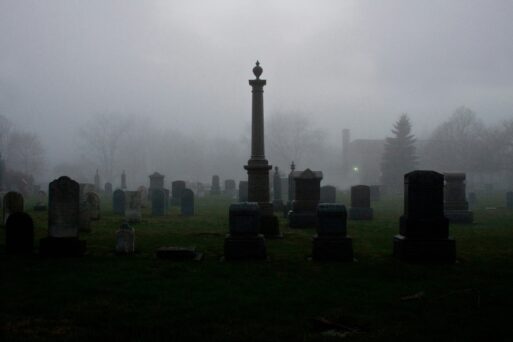
cemeteries are a popular destination for necrotourists
image credit: Scott Rodgerson for Unsplash
Across the globe and through the centuries, ancient and modern cultures have marked this time of year as one to acknowledge and honor the dead. After all, it is the end of the growing season; the harvest is in, stores are cached away, and people’s thoughts start to turn to the dark, cold winter ahead, when much of the natural world becomes suspended in hibernation.
When all of nature seems bleak and barren, it only makes sense that our thoughts become similarly macabre.
In Mexico, many celebrate El Día de los Muertos, or Day of the Dead, by building ofrendas (offerings) to honored ancestors. Similarly, the ancient Celts believed that on the night before the new year (November 1st), the boundary between the worlds of the living and the dead became blurred, with ghosts able to return to earth. Our modern day Halloween festivities are adaptations of their festival of Samhain (pronounced sow-in), and many people today still believe that this time of year is ideal for communing with those who have passed away. For others, it’s simply good fun to seek out supposedly haunted locales and revel in all that “spooky season” has to offer.
Whether you’re there to communicate with spirits or have some harmless Halloween fun, cemeteries have started seeing an uptick in tourism to their hallowed grounds, in what is being referred to as necrotourism. And although many visitors are respectful of their surroundings, some cemeterians have been calling out a subset of necrotourists who might need a refresher about appropriate behavior in a sacred space.
What Is Necrotourism?
Dark tourism — travel to sites connected to death, tragedy, or disaster — is not a new concept. While the phrase can carry negative connotations due to a few sensationalized examples (like smiling selfie-takers at Auschwitz) dark tourism itself isn’t inherently morbid or inappropriate. In fact, you may have already participated in it without realizing. Encompassing a range of different attractions, dark tourism can refer to anything from enjoying a ghost tour in Savannah, to visiting a more solemn location, like Ground Zero in New York City or the ruins of Pompeii.
Philip Stone, executive director of the Institute for Dark Tourism Research at the University of Central Lancashire, England, told the Washington Post that dark tourism is simply an aspect of human nature. “We’ve just got this cultural fascination with the darker side of history; most history is dark,” Stone said. “I think when we go to these places, we see not strangers, but often we see ourselves and perhaps what we might do in those circumstances.”
For the most part, many “dark” tourists are attracted to such sites because they are fascinated by their historical or cultural significance. For example, many visitors to New Orleans are advised to explore the historic raised graveyards, to admire the ornate headstones and marble crypts while paying homage to the cities’ unique cultural heritage.
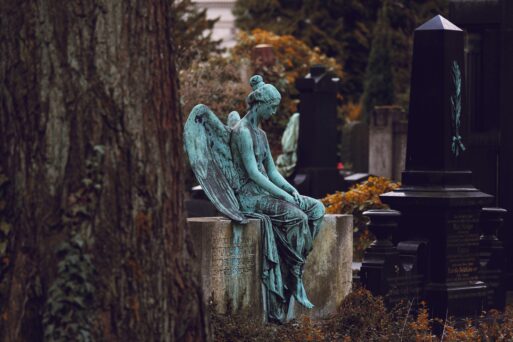
some necrotourists are drawn to the artistic and historic aspects of cemeteries
image credit: Veit Hammer for Unsplash
More specifically, a certain type of dark tourists — necrotourists — seek out cemeteries in particular as places to explore. Like other forms of “dark tourism,” necrotourism isn’t necessarily a macabre practice; many are hoping to appreciate the serenity of the surroundings, learn about history, appreciate the artistry, or pay homage to the people buried there.
For example, the European Cemeteries Route was established in 2010, linking 75 cemeteries in more than 50 cities and 20 countries as tourism destinations. Under the umbrella of the European Institute of Cultural Routes, participating cemeteries are preserving and promoting cultural heritage for visitors who “wish to admire art, history, architecture, nature and heritage in a peaceful and truthful environment of a cemetery,” as stated in the organization’s mission statement. By establishing such a route, the Council of Europe recognized the importance of graveyards as sacred and emotional spaces, while serving as witnesses of local history for those participating cities and towns.
Necrotourists and Respect for the Dead
Unfortunately, not all necrotourists are as respectful as some cemeterians would hope. An article published by Connecting Directors (a publication geared towards the funeral industry) revealed that some necrotourists are becoming increasingly problematic, particularly during the Halloween season.
Not to be confused with dark tourism itself, the author refers to the “dark side” of necrotourism, which is “when sites meant for respectful memorialization attract visitors with more nefarious intentions,” which is anything from ethically questionable exploitative behavior (like smiling selfies or selling of tchotchkes) to petty and serious vandalism.
The article lists several examples of disturbing acts of destruction that have happened on Halloween night in recent years: some vandals spray-painted “hateful and obscene” graffiti on graves and columbariums in a catholic cemetery in New York, graves themselves were disturbed in seemingly ritual practices, and some remains were even stolen or destroyed. “These visitors,” the author writes, “and the creepy and/or criminal behavior spike in October, especially around Halloween.”
If you are hoping to engage in some necrotourism yourself, especially in honor of Halloween, it might be helpful to brush up on graveyard etiquette in order to avoid disrespecting our sacred spaces. The online travel guide Dark-Tourism.com advocates that necrotourists in particular should engage with sites in “a sober, educational, and non-sensationalist manner.” And, as EuroWeekly writes in their article about the increasing popularity of necrotourism, tourists should take extra precautions to be respectful: “Visitors should be careful and behave much as they would when visiting a place of worship; if you think something might be inappropriate, the best thing is to not do it, even when it comes to taking photos. Selfies are, of course, a big no-no.”





 Final Messages of the Dying
 Will I Die in Pain?