Dying Inmates’ End-of-Life Choices Are Routinely Ignored
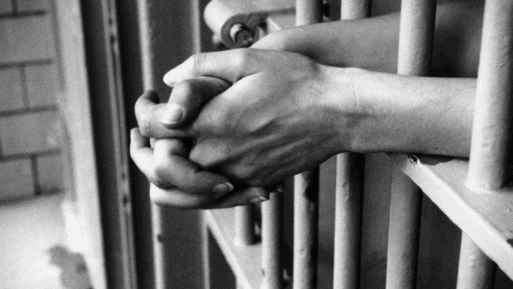 KFF Health News, a nonprofit organization that reports on health policy in the United States, recently published an investigative piece revealing how end-of-life choices made by inmates are routinely ignored or overridden. Coupled with the fact that our country’s prison population has been aging rapidly over the last few decades – with thousands dying behind bars each year — this situation is, as one geriatrician says, “shocking.”
While some prisoners’ rights are necessarily restricted or rescinded during the duration of their incarceration, there are some fundamental rights, like protections against cruel and unusual punishment and access to medical care, that are supposed to remain intact. But as KFF and other groups report, many of these provisions are being disregarded when it comes to carrying out end-of-life decisions.
Our Aging Prison Population
Data show the U.S. prison population has been aging at a faster rate than the rest of the population as a whole, with older adults representing a growing portion of the people who are arrested and incarcerated each year. The statistics are surprising; according to the National Institute of Corrections, between 1993 and 2013 the number of prisoners aged 55 and older sentenced to at least one year in prison increased by 400%. Between 1999 and 2016, the number of younger adults incarcerated grew only 3% while older inmates increased 280%, according to one Pew report based on the Bureau of Justice statistics.
This aging of the prison population is the result of a series of policy decisions in policing, sentencing and reentry over the last few decades. Mandatory minimums in sentencing, for example, have led to longer prison terms. And since our population as a whole is aging, it would follow that the average age of people committing crimes is rising as well (as theorized by a health care analyst at the Claude Pepper Center, a research and policy center at Florida State University).

Our prison population is aging.
Photo Credit: Unsplash
Inmates’ Autonomy Versus Enforcement
As KFF reports, incarcerated people typically have little say over the care they receive at the end of their lives: “Despite a broad consensus among standards boards, policymakers and health care providers that terminally ill people in custody should receive treatment that minimizes suffering and allows them to be actively involved in care planning,” researchers, medical providers and family members say that this isn’t what is happening in reality.
To illustrate the point, KFF spoke with the families of two inmates, who reported they weren’t even allowed to contact their incarcerated loved ones let alone ensure that they were receiving the kind of medical care they deserved. Their stories are indicative of the bigger picture. Nicole Mushero, a geriatrician at Boston University’s Chobanian & Avedisian School of Medicine told KFF that people in jails and prisons often die while shackled to beds, separated from loved ones and with minimal pain medication.
“When you’re coming at this from a health care perspective, it’s kind of shocking,” Mushero told KFF.
Why?
One possible reason: A 2021 study led by Georgia State University found that state policies on end-of-life care vary widely, and give ample decision-making leeway to correctional officers. This typically leads to those officers and medical contractors making decisions for the inmate, prioritizing security concerns over the needs of the prisoner.
Additionally, Laura Musselman, the director of communications at the Humane Prison Hospice Project, told KFF that many medical providers operating within the prison are not equipped or trained to handle the “complexities of hospice decision-making, including types of treatment, when to stop treatment and who can make those decisions.”
The National Commission on Correctional Health Care, which accredits programs at correctional facilities across the country, says that terminally ill inmates should not only be allowed to make decisions about treatment options, but they should also be provided with the proper pain medications, extra visits with loved ones and in some cases medical release to hospice care. The commission, apparently aware that this is not what is happening in most cases, plans to release updated standards this summer to provide more details on how facilities should handle end-of-life care, KFF reports.





 Final Messages of the Dying
 Will I Die in Pain?