Increased Rates of Earlier Death Shown for Those Who Experience Intense Grief
 Doctors have known about broken heart syndrome, or Takotsubo cardiomyopathy (TCM), for a while. First reported by a Japanese cardiovascular specialist in 1990, TCM is when a part of the heart becomes suddenly stunned or weakened after intense grief or severe physical stress. This temporary condition is treatable with medication, and most people with TCM are able to make a full recovery within weeks, according to the American Heart Association.
But it’s not just the heart that intense grief can affect: A recent study out of Aarhus University in Denmark on the levels of grief suggests that the prolonged stress of extreme grief after bereavement is linked with earlier death than in those who are not grieving as deeply.
Importance of the New Study’s Findings
Published in Frontiers in Public Health in July 2025, the Danish study built on what we know by examining “grief trajectories” and the long-term health effects bereaved relatives experienced.
The 2025 study used a recently developed model that measures levels of grief, which lays out grief trajectories in five categories: physical, emotional, cognitive, social and spiritual.
Researchers divided 1,735 participants into groups who experienced low levels and high levels of grief symptoms shortly before and after experiencing the loss of a loved one. High levels of grief were defined as someone experiencing more than half of nine grief symptoms, including feeling emotionally numb or that life is meaningless; experiencing difficulty accepting the loss; and experiencing confusion over their own identity.
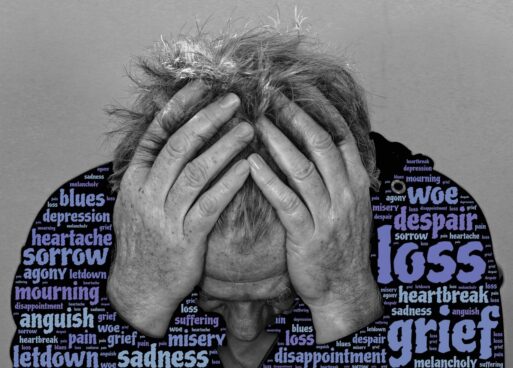
Grief can be experienced in many different ways
Credit: Needpix.com
In addition to tracking symptoms, researchers studied how often the subjects sought medical attention from their doctors, used prescription medications or other therapies to cope with their intense grief. The researchers sought to better understand whether current interventions adequately serve those who are grieving.
Researchers found that over the course of 10 years, 26.5% of the relatives who showed high levels of grief died, compared with 7.3% of those who were less powerfully affected.
Quantifying Grief
Researchers of the latest findings based their study in part on an earlier study that quantified levels of grief in what they called the integrated process model of loss and grief. In that 2023 paper, published in Death Studies journal, the researchers who defined the five measures wrote, “At this point, the understanding of grief had progressed to reflect grief as a process, following many different types of trajectories, phases, and tasks based on circumstances of loss and personal resources, to arrive at an overarching understanding that grief has no clear resolution or completion but rather a dynamic and on-going adjustment to the loss.”
Some Might Already Be More Vulnerable
The Danish researchers attribute some of the higher mortality rates to the fact that many subjects in the “high levels of grief” category were already members of a vulnerable population prior to the death. In an article about the study, CNN quoted co-author Mette Kjaergaard Nielsen as saying such individuals “may need additional support. They may experience distress and have difficulties coping with the situation.”
Nielsen pointed to previous studies that have highlighted low socioeconomic status, poor self-reported health and higher symptoms of depression and anxiety as contributing to overwhelming grief.
This particular study didn’t investigate the bereaved relatives’ cause of death, but CNN says that the higher mortality rates match findings from other research showing the effects traumatic loss can have on a person’s health.





 Final Messages of the Dying
 Will I Die in Pain?