“They Will Not Go Quietly” by Linda Barnes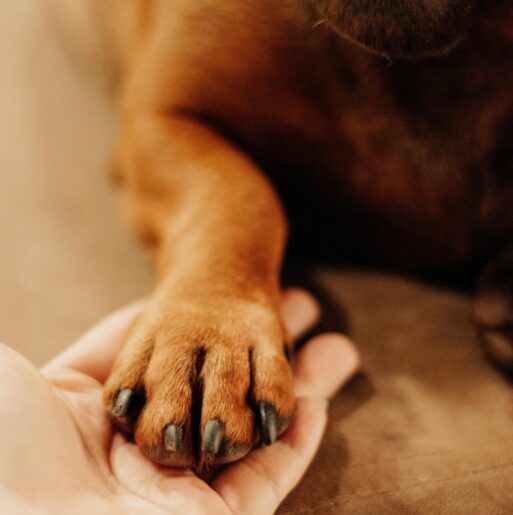
Credit: Juliane Monari via Pexels
They will not go quietly,
the pets who’ve shared our lives.
In subtle ways they let us know
their spirit still survives.Old habits still make us think
we hear them at the door
Or step back when we drop
a tasty morsel on the floor.Our feet still go around the place
the food dish used to be,
And, sometimes, coming home at night,
we miss them terribly.And although time may bring new friends
and a new food dish to fill,
that one place in our hearts
belongs to them …
and always will.

Credit: Mikhail Nilov via Pexels
Those of us who have lost pets over the years know that releasing our beloved companion animals from their suffering, no matter how many times we do it, doesn’t get easier. No matter how necessary and compassionate the act is, we ache. That little soul took up more of a space in our lives than we realized, especially if they were old and infirm and required a great deal of our time, effort and care.
Linda Barnes, cited by several sites as the author of “They Will Not Go Quietly,” explores what it’s like to see that pawprint everywhere. (Barnes originally penned her heartfelt lines to a cat, but so universal is the sentiment that many online references mourns the more general “pets.”)
Even feeling sure of the rightness of euthanizing that pet and the relief at being released from the struggle of caregiving, those who have loved and lost their dogs, cats or others are constantly reminded of the absence of their beloved pet.
But this poem brings solace for the reader: While these are acts of silent grief, the author’s habits of love resonate with our own experience. Indeed, many of us fear talking about the loss of our pet for fear of hearing, “But it was just a …”
We might find that talking over our pain with fellow pet parents can bring us the comfort we need when, as in this poem, we find ourselves stepping around the spot where the food dish used to be.





 Final Messages of the Dying
 Will I Die in Pain?