Supporting Those Grieving Wildfire Disasters
Since January 7, 2025, wildfires in Los Angeles County, California have decimated more than 40,000 acres, damaging or destroying more than 12,000 homes and other structures.
The utter devastation has left many individuals grieving and traumatized. At least 27 people have died – people such as 67-year-old Anthony Mitchell, a great-grandfather of 10. Mitchell, who was in a wheelchair, was awaiting evacuation for himself and his bed-bound son, Justin, who had cerebral palsy. Both were killed in the fires. “Everybody is just distraught about what happened,” another son, who shares Anthony Mitchell’s name, told NBC News.
Thousands of others have lost homes, possessions and a sense of safety. Several firefighters witnessed their own homes go up in flames. Other individuals lost their homes to fire for a second time. Moreover, the wildfires, which affected largely urban and affluent areas, are expected to have one of the biggest economic impacts in history, driving up insurance policies and reducing affordable housing still further.
In the face of such loss, it can be hard for friends, family members and loved ones to know what to say or do. Still, many experts say that the best thing is to simply reach out – however awkwardly. “It really does help to share,” psychiatrist Carole Lieberman, who’d evacuated to a hotel in Ventura, told Time magazine. “Be compassionate and empathetic, and ask about the person’s story, because everybody has lots of stories.”
While wildfire season was once confined to the summer months, climate change has made dry areas susceptible to wildfire devastation year-round. Most are sparked by power lines, lightning or arson, according to Cal Matters. As climate events continue to wreak havoc on lives and dwellings, humans will increasingly find themselves grappling with the larger implications of ecological grief.
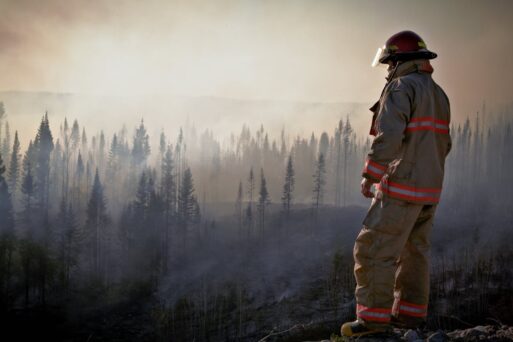
Experts note that grief encompasses a much wider area than immediate loss. “The biggest myth is that we think of grief as death,” David Kessler, an author and grief expert who packed “go-bags” for his family in Studio City, told The Hollywood Reporter. “But grief is any change to ourselves we don’t want.”
In Los Angeles County, even those whose homes remain are left to cope with survivor’s guilt. “The lucky often find themselves alone in a neighborhood stripped of friendly faces and beloved landmarks,” Ronda Kaysen wrote in The New York Times. “The road ahead is long, isolating, costly and often traumatic, plagued by feelings of guilt and shame.”
In addition to reaching out, there are also ways to help practically, whether through cash donations, volunteer agencies, or some other form of service.





 Final Messages of the Dying
 Will I Die in Pain?